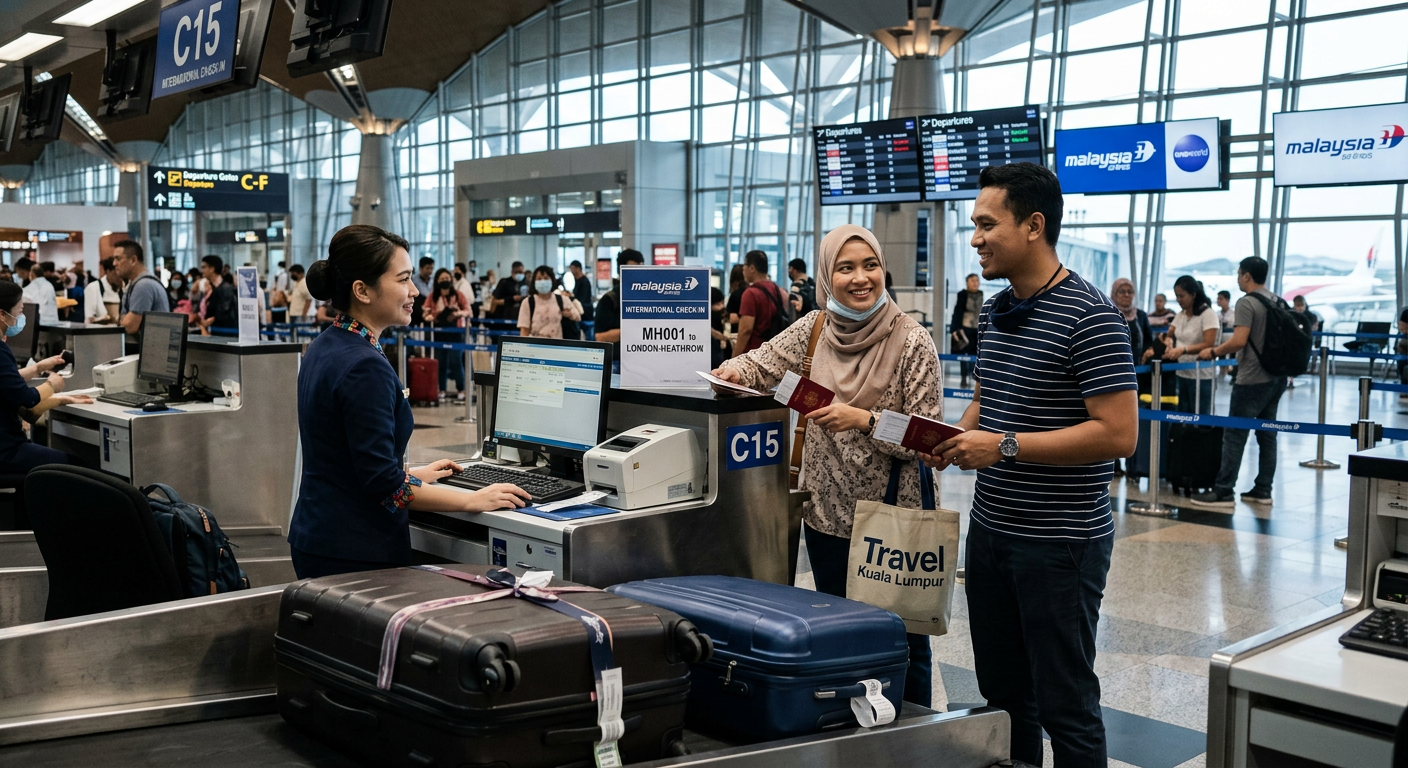
Who they are
Frequent travelers in Malaysia are defined by behaviour rather than demographics — they travel more than 10 times per year for private or business purposes. But that behavioural definition maps onto a clear demographic profile: younger Millennials, male, middle-income, and geographically distributed across urban and suburban Malaysia.
55% are Millennials, which puts them in their late 20s to early 40s — peak earning years with the disposable income and professional flexibility to travel frequently. 28% are Gen X.
66% are male. This is one of the most male-skewing segments in the study, consistent with the profile of frequent business and private travelers in Southeast Asia.
Income is concentrated in the middle bracket at 43%, which means this is not a luxury traveler segment — it is a practical, regular traveler segment that has made travel a routine part of their lifestyle.
29% live in couple households — above average — which suggests they often travel as pairs rather than families. 19% are nuclear family households and 19% are multi-generational.
Geographically they are distributed across all community types, with only 15% in the largest cities. They are not exclusively urban — suburban and medium-city travelers are well-represented.
What they care about
Safety and security leads their life values at 59% — well above average. This is the segment most concerned about personal safety, which shapes their travel destinations, accommodation choices, and transport decisions. Having a good time scores only 24% — below average and indicating that travel for this segment is more functional than recreational.
An honest and respectable life scores 58% and learning new things 47%. They are curious, security-conscious consumers who value stability and growth over pure enjoyment.
Their interests are mobility-oriented. Vehicles and mobility leads at 58%, travel at 56%, and sports at 56%. Finance and economy at 55% and science and technology at 53% show a commercially and technically engaged audience.
Cars and vehicles as a hobby scores 47% — the highest of any segment — and traveling as a hobby scores 48%. This is a segment that is genuinely passionate about travel, not just required to do it for work.
46% state that they book accommodations, car rentals, and similar services spontaneously via smartphone when traveling. This is the defining behavioural trait: they decide and book in the moment, not months in advance.
On national concerns, poverty leads at 75%, crime at 72%, and the economic situation at 71%. Education at 52% and unemployment at 50% show a politically engaged cohort concerned about the country’s direction.
37% have centrist political views — the largest share of any segment. They are not strongly left or right, which may reflect their practical, solution-oriented approach to travel and life.
Where to reach them
The channels that work
Online magazines are the standout digital channel: frequent travelers read online magazines more often than the average consumer. Editorial content, travel publications, and online journalism reach this segment effectively.
Video streaming services are the second-strongest channel: above-average ad recall on streaming platforms. They consume video content at high rates and are reachable through in-stream advertising.
Mail is the strongest traditional channel: they remember getting ads by mail more often than average. Direct mail, travel catalogues, and targeted offers reach them in their physical mailbox.
Social media performs well: they interact with companies on social media at above-average rates. They follow brands, engage with content, and are reachable through social advertising.
Brand websites and apps score well — they actively research destinations and services through brand digital environments.
The channels that underperform
Daily newspapers at 17% and weekly newspapers at 15% are below average. Print newspapers are not an effective channel for this segment.
Device reality
Smartphone is universal at 98%. Desktop PC at 69% and laptop at 68% are both above average, reflecting a professional who accesses travel information across devices. Gaming console at 36% is above average.
What to do
Mobile-first booking is non-negotiable for reaching this segment. 46% book accommodations and services spontaneously via smartphone when traveling. Your mobile app or mobile-optimised booking experience must be frictionless, fast, and trustworthy. If your mobile experience is poor, you lose this segment before they convert.
Last-minute and spontaneous messaging will resonate. They do not plan months ahead — they decide and book in the moment. Your marketing should speak to spontaneity, flexibility, and immediate availability rather than advance booking discounts.
Travel insurance and travel safety products should target this segment. 59% safety and security as a top life value means they are more likely to purchase travel insurance, emergency assistance, and safety-related travel products than the average consumer.
Vehicles and mobility brands have a natural fit. Highest hobby score for cars and vehicles means automotive brands, car rental companies, and mobility platforms have a highly receptive audience in this segment.
What not to do
Do not treat travel as a luxury for this segment. 43% medium income and 24% “having a good time” as a life value means frequent travelers are not splurging — they are routine travelers who value function over flash. Your positioning should be practical, reliable, and value-oriented.
Do not ignore the female minority. 34% of frequent travelers are female. They may respond to different messaging — safety and security concerns may be more prominent for female travelers, and travel product recommendations should account for different travel styles.
Do not assume all travel is business. The definition includes both private and business travel. Some are frequent flyers for work; others are serial holidaymakers. Your creative should be clear about which you are addressing.