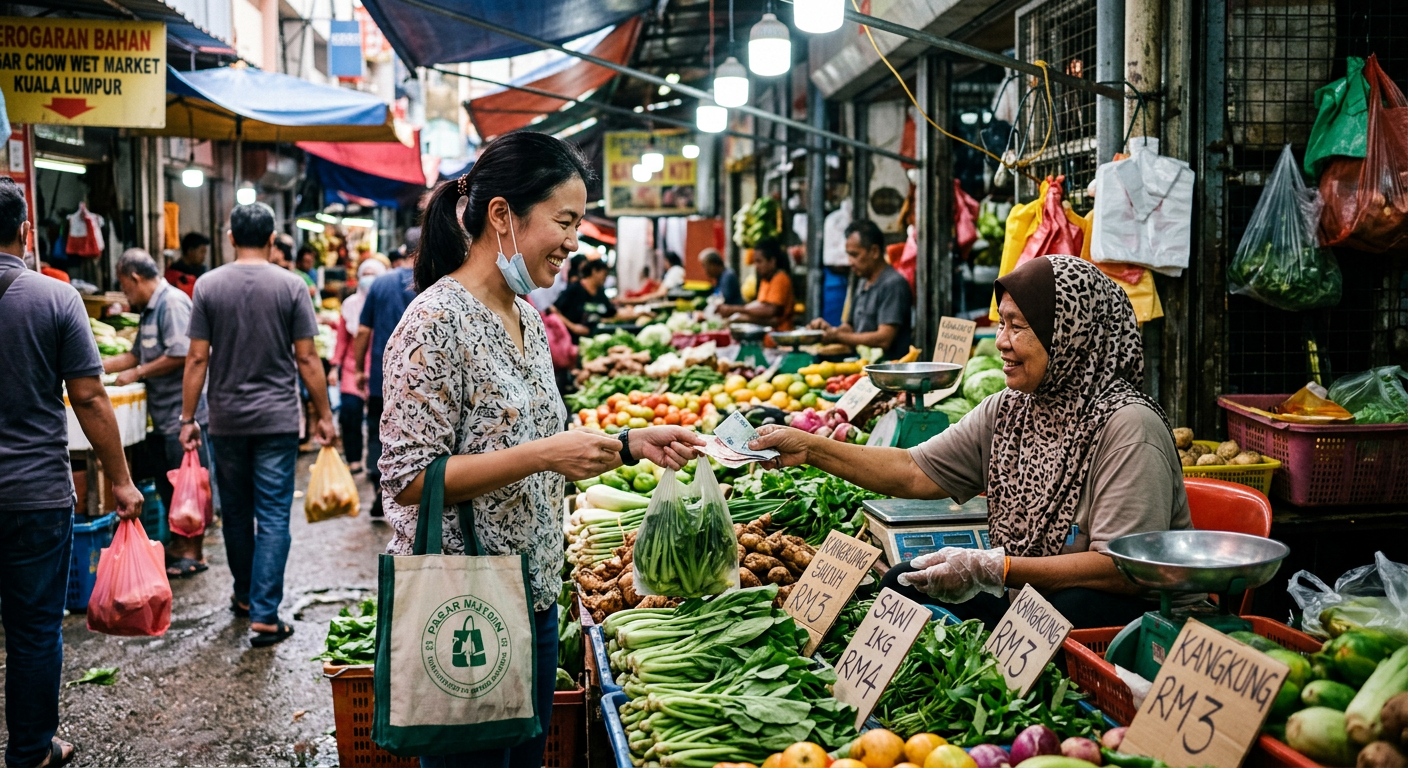
Who they are
Regional food purchasers in Malaysia are defined by a clear food values stance: they prioritise locally-sourced and regional products when choosing food. They are not just casual buyers — this is a deliberate, values-driven choice that reflects broader concerns about quality, sustainability, provenance, and food miles.
47% are Millennials, which puts them in their prime consumption years. Another 31% are Gen X. They are younger-middling adults who have the spending power to choose premium food products.
62% are male, 38% female. This is a notably male-skewing food segment — men who care about where their food comes from and are willing to pay for regional authenticity.
45% have high household income. They are affluent consumers who can afford to prioritise quality and provenance over price.
37% live in nuclear family households and 29% in couple households. They are primarily couples and families who make food purchasing decisions for their household.
43% live in cities with over 1 million inhabitants. They are concentrated in major urban centres where regional food specialty stores, farmers markets, and premium food retail are most developed.
What they care about
An honest and respectable life leads at 55% and traditions at 55%. They are values-driven consumers who prioritise authenticity, heritage, and integrity — in food and in life.
Their interests are broad and tech-forward. Science and technology leads at 77%, vehicles and mobility at 64%, and food and dining at 59%. They are a segment with diverse, modern interests.
Tech and computers as a hobby scores 59% and traveling scores 55%. They are active, curious consumers with tech-forward leisure interests.
66% avoid artificial flavours and preservatives — well above average and consistent with their regional food priority. They are clean-label consumers who read ingredients and care about food quality.
Environment concern is above average — they are sustainability-conscious consumers who link their regional food choice to environmental values.
40% have right-leaning political views — consistent with their traditional values orientation.
Where to reach them
The channels that work
In-store advertising is the standout channel: regional food purchasers remember seeing ads directly in stores more often than average. Premium food retail, specialty stores, and point-of-sale environments are effective.
Brand websites and apps are the second-strongest channel: above-average ad recall on brand digital environments. They research products online and purchase through brand channels.
Social media is the third-strongest channel: they interact with companies on social media more than average. They follow brands, engage with content, and share recommendations.
The channels that underperform
Daily newspapers at 17% and weekly newspapers at 18% are below average. Print newspapers are not effective.
Device reality
Smartphone at 97% is universal. Desktop PC at 64% and laptop at 67% are both above average.
What to do
Clean label and regional provenance messaging is your primary tool. 66% avoiding artificial flavours means your packaging, labelling, and marketing must lead with natural ingredients and regional sourcing credentials.
In-store activation and specialty retail work for this segment. Strong in-store ad recall means premium food retail, farmers markets, and specialty stores are effective channels for reaching this affluent food buyer.
Sustainability and environmental positioning resonates. Above-average environment concern means eco-friendly packaging, carbon footprint messaging, and local sourcing narratives reinforce their purchase decision.
Tech-forward positioning may resonate given their high tech interest. 77% interest in science and technology means tech-enabled food products, smart kitchen devices, and food innovation may appeal to this segment.
What not to do
Do not use mass-market or industrial food positioning. Regional food purchasers deliberately choose against mass-produced food. Your positioning must emphasise authenticity, craftsmanship, and regional identity.
Do not ignore the male segment. 62% male means male food buyers are a significant audience. Recipe content, BBQ and grilling angles, and practical cooking content may resonate more with men than traditional food marketing.
Do not invest in printed newspapers. 17% daily newspaper readership is below average.